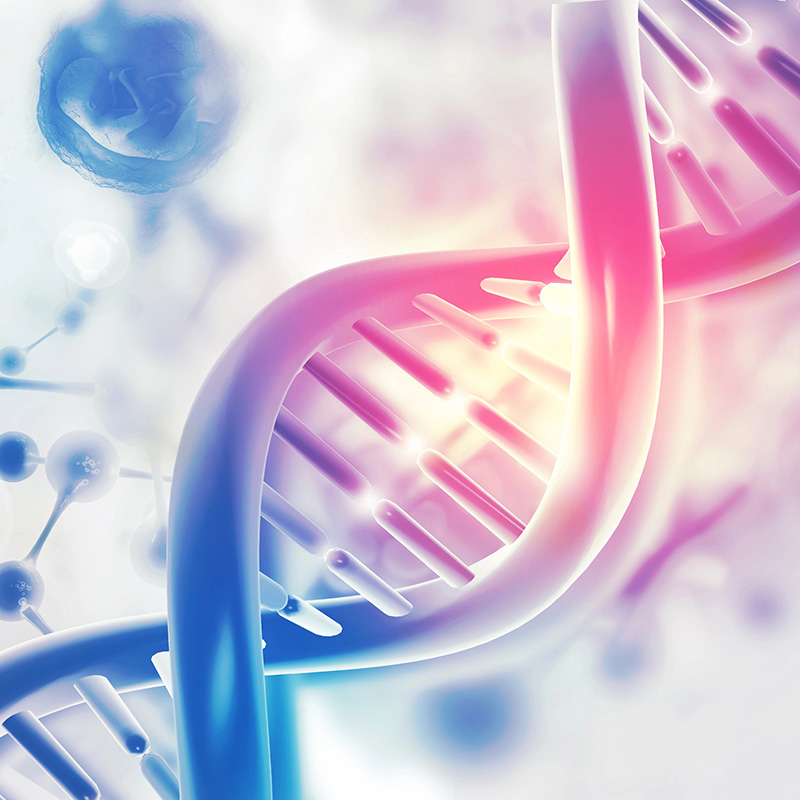
Aging is a complex and dynamic biological process influenced by a combination of genetic, molecular, and environmental factors. Over time, cellular systems lose their ability to maintain homeostasis, leading to gradual functional decline. Cellular senescence, DNA damage, mitochondrial dysfunction, and oxidative stress are just some of the interconnected mechanisms known to drive aging and increase the risk of chronic, age-related diseases.
This section introduces the scientific foundations of aging, offering an overview of the core biological processes that shape longevity and providing a framework for developing future interventions aimed at promoting healthier, longer lives.
In 2013, a landmark paper introduced the concept of the hallmarks of aging, providing a unified framework to describe the cellular and molecular alterations that drive the aging process. These hallmarks, now widely accepted in the scientific community, include genomic instability, telomere attrition, epigenetic alterations, loss of proteostasis, deregulated nutrient sensing, mitochondrial dysfunction, cellular senescence, stem cell exhaustion, and altered intercellular communication.
Each hallmark contributes to functional decline in tissues and organs, increasing vulnerability to chronic diseases such as cardiovascular disorders, neurodegeneration, type 2 diabetes, and cancer. Importantly, many of these mechanisms are interconnected and self-reinforcing, forming a complex network of biological deterioration.
Understanding the hallmarks of aging provides a roadmap for identifying therapeutic targets and designing interventions—including lifestyle modifications, pharmacological treatments, and science-backed nutraceutical strategies—that aim to modulate aging at its biological roots.
One of the most prominent features of aging is the gradual accumulation of senescent cells—damaged or stressed cells that have permanently exited the cell cycle but resist programmed cell death (apoptosis). While cellular senescence initially serves important protective functions, such as limiting the spread of DNA damage and preventing tumor formation, the chronic presence of these cells over time contributes to tissue dysfunction, impaired regeneration, and systemic inflammation.
Senescent cells secrete a complex mix of pro-inflammatory cytokines, growth factors, and proteases collectively known as the senescence-associated secretory phenotype (SASP). This persistent, inflammatory microenvironment plays a central role in what researchers now call inflammaging—a state of chronic, low-grade inflammation that accelerates biological aging and contributes to the onset and progression of many age-related diseases, including cardiovascular disorders, neurodegeneration, and insulin resistance.
Research into senolytics—agents that selectively eliminate senescent cells—is rapidly expanding and represents a promising frontier in longevity science. In parallel, nutritional strategies and specific bioactive compounds—many of them derived from natural sources—are being investigated for their ability to modulate SASP expression, reduce the burden of senescent cells, and support a healthier tissue microenvironment.
Over time, cells accumulate DNA damage due to environmental stressors, replication errors, and declining repair capacity. This genomic instability contributes to mutagenesis, cellular dysfunction, and aging. In parallel, mitochondria, the cell’s energy-producing organelles—experience functional decline, leading to reduced bioenergetic capacity and increased production of reactive oxygen species (ROS).
Mitochondrial dysfunction is a key driver of aging and metabolic disorders. It impairs cellular energy homeostasis, contributes to oxidative stress, and triggers inflammatory signaling pathways. Supporting mitochondrial integrity through diet, exercise, and targeted compounds is therefore a major focus of current research in healthy aging.
Emerging strategies include compounds that enhance mitochondrial biogenesis, stabilize mitochondrial membranes, or serve as cofactors in cellular energy metabolism—several of which are under investigation for potential inclusion in advanced nutraceutical formulations designed to support healthy aging.
A deeper understanding of the biological mechanisms that govern aging opens the door to more targeted and effective strategies for preserving health across the lifespan. Throughout this website, we explore how selected nutraceutical ingredients may interact with key biological pathways involved in aging, offering science-based insights into their potential role in promoting long-term health and longevity.