
Promoting healthy aging requires a multifactorial approach that goes beyond genetics or medical interventions. Lifestyle choices—such as balanced nutrition, regular physical activity, restorative sleep, and effective stress management—play a fundamental role in maintaining physiological and cognitive vitality throughout life. These behaviors influence key biological pathways involved in aging, including inflammation, oxidative stress, and metabolic regulation.
In this section, we explore the main strategies recognized by scientific research to extend healthspan, delay the onset of age-related conditions, and support the body’s natural mechanisms for repair and regeneration. Each strategy will be addressed in more detail in the following sections, with a special focus on the role of targeted nutraceutical compounds.
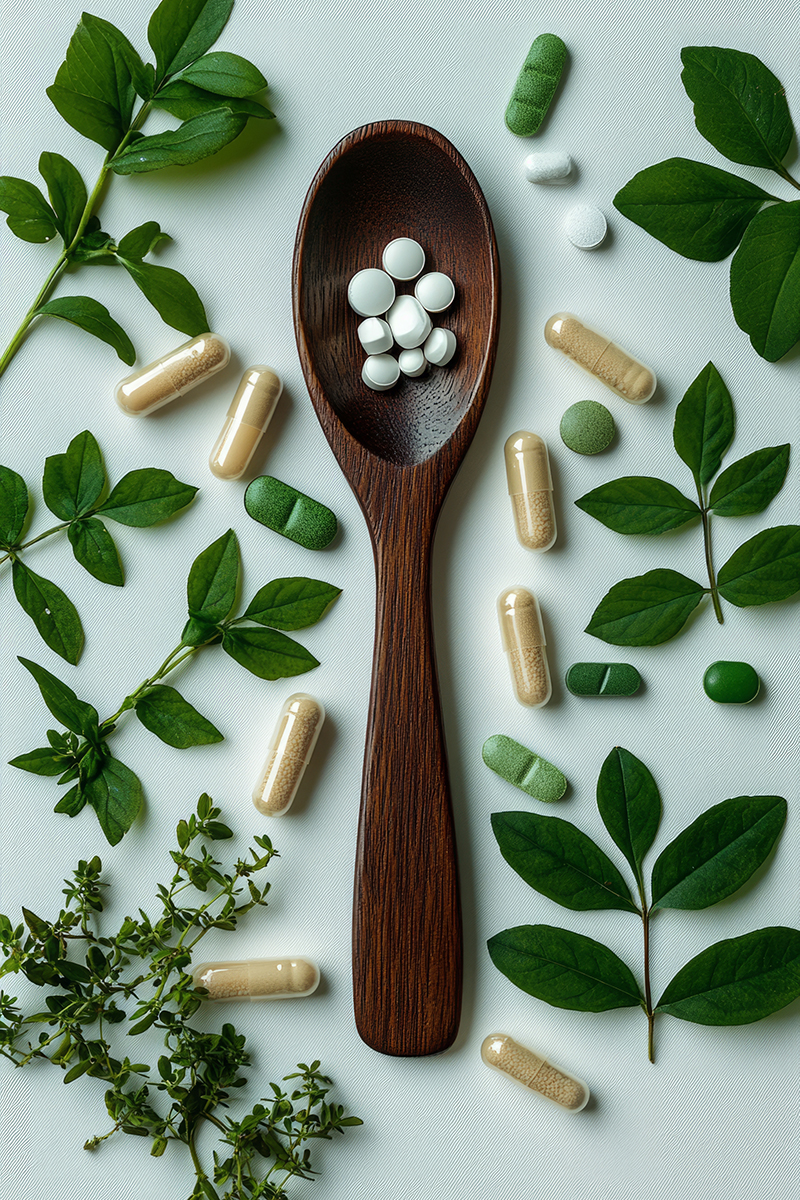
While aging is inevitable, its trajectory can be profoundly influenced by how we live. Scientific evidence consistently shows that regular physical activity, moderate calorie intake, and stress management not only improve quality of life but also delay the onset of age-related conditions such as cardiovascular disease, metabolic disorders, and cognitive decline.
Exercise, in particular, plays a central role: it enhances mitochondrial function, supports metabolic flexibility, improves insulin sensitivity, and helps regulate inflammation. Even moderate activity, such as walking or light resistance training, can activate pathways associated with cellular repair and longevity.
Beyond the physical, mental and emotional resilience are equally important. Chronic psychological stress accelerates aging at the cellular level through mechanisms such as oxidative stress and telomere shortening. Techniques such as mindfulness, breathing exercises, and social connection are increasingly recognized as protective tools against premature aging.
These lifestyle factors form the foundation upon which targeted nutritional interventions can build. A healthy body and mind are more responsive to both endogenous repair processes and the supportive action of specific bioactive ingredients.
Nutrition is not only a source of energy—it is a key regulator of aging biology. Specific nutrients can influence cellular health, immune response, detoxification, and metabolic function. Diets rich in antioxidants, polyphenols, omega-3 fatty acids, fiber, and plant-based compounds are associated with lower levels of inflammation and improved longevity markers.
A well-balanced diet is essential, but it may not always deliver sufficient levels of bioactive compounds to influence aging-related biological pathways. Nutraceutical ingredients, standardized and science-backed, are under active investigation for their ability to modulate key mechanisms such as sirtuin activation, autophagy stimulation, mitochondrial biogenesis, and cellular protection against oxidative stress.
Ingredients such as resveratrol, curcumin, quercetin, fisetin, NAD+ precursors (like NMN or NR), and plant-derived flavonoids are under intense investigation for their role in modulating longevity pathways. The challenge lies in ensuring bioavailability, safety, and evidence-based formulation.
At Longevity Ingredients, we provide science-based insights into these compounds and explore how they may contribute to maintaining physiological functions and promoting resilience during the aging process.
The paradigm of aging has shifted from disease prevention to functional optimization. Rather than focusing solely on avoiding illness, the goal is now to maintain peak physiological function and resilience as long as possible. This approach embraces a proactive philosophy—intervening early, measuring biological age, and adjusting interventions to the individual.
Modern tools such as epigenetic clocks, microbiome profiling, inflammatory biomarkers, and metabolomic screening allow for increasingly personalized strategies. Nutraceuticals play a critical role within this framework: by targeting specific biological pathways, they support the body's own regenerative capacities and help slow the rate of biological aging.
This transition from “anti-aging” to “pro-aging well” is not merely semantic. It reflects a deeper understanding of aging as a dynamic, modifiable process—one that can be influenced through precision lifestyle interventions, evidence-based supplementation, and ongoing scientific innovation.