What is Resveratrol
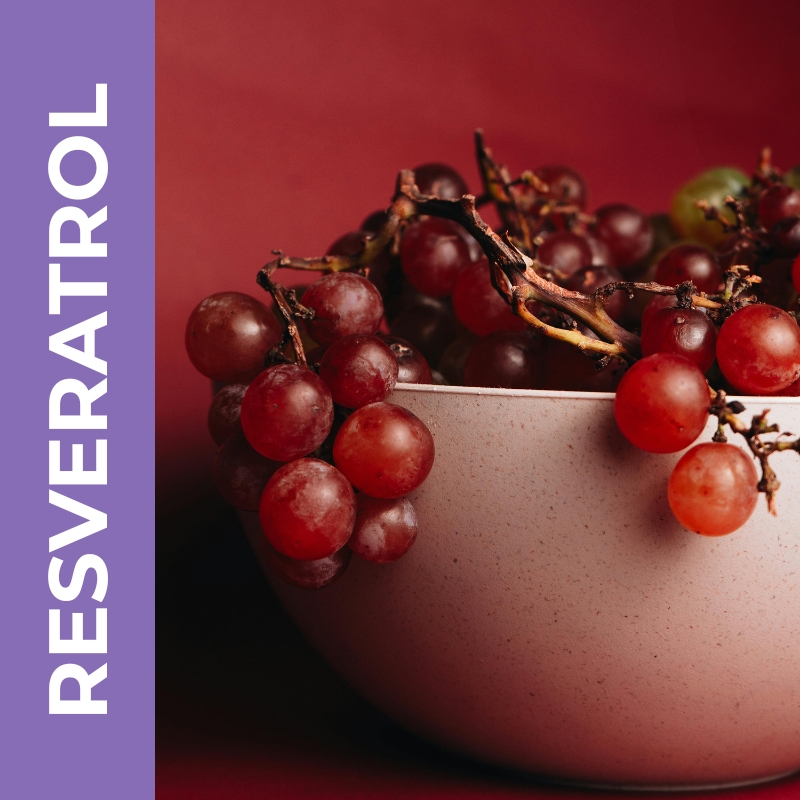
Resveratrol is a polyphenol of the stilbene family, produced by certain plants in response to stress, injury or fungal attack. It is found in the skin of red grapes and in red wine, in berries, and in high concentration in the root of Polygonum cuspidatum, currently the main commercial source for nutraceutical use.
Its popularity dates back to the observation that some of the metabolic effects of caloric restriction – one of the few interventions consistently associated with longevity in animal models – could be partly reproduced by this molecule.
Role in Longevity and Healthy Aging
Resveratrol is an indirect activator of SIRT1 and AMPK; it partly mimics the metabolic effects of caloric restriction.
Sirtuins and AMPK are two of the main sensors through which the cell adapts its metabolism to the availability of energy. Acting on both is what places resveratrol at the centre of the discussion on nutritional strategies for healthy aging.
Nutraceutical Applications
Resveratrol is used in capsules and in micronized or phytosomal forms designed to overcome its low native oral bioavailability, since it is rapidly metabolized by the liver.
It should be combined with piperine to increase absorption, and it is synergistic with NR/NMN – substrate and cofactor for sirtuins – and with quercetin. As with any active, use in clinical settings should be guided by a qualified healthcare professional, particularly for people taking anticoagulant medication.