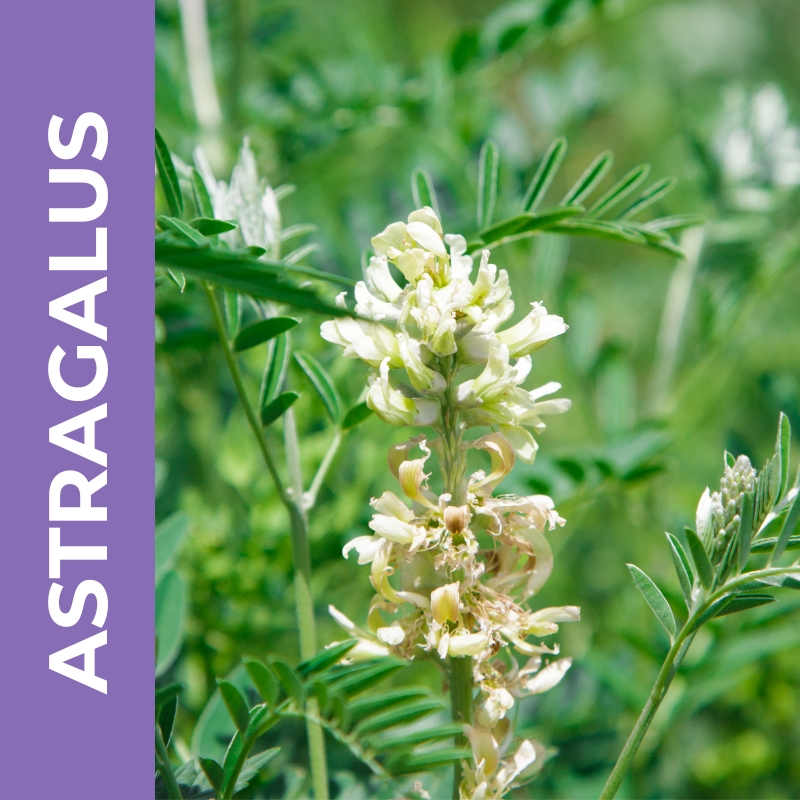
What is Astragalus
Astragalus membranaceus is a perennial plant native to Asia, traditionally used as a tonic for energy, immunity, and resilience. Its roots contain a variety of bioactive compounds, including polysaccharides, flavonoids, and saponins—especially **astragalosides**, which have been studied for their cellular protective effects. In traditional medicine, Astragalus is considered a “Qi tonic,” restoring vitality and supporting the body's defense systems.
Role in Longevity and Healthy Aging
Astragalus has gained attention in the longevity field due to its potential role in maintaining **telomere length** and activating **telomerase**, the enzyme that helps preserve chromosome stability. Compounds such as **TA-65**, derived from Astragalus extracts, have been studied for their effect on cellular senescence and DNA protection. Additionally, Astragalus supports mitochondrial function, reduces inflammation, and modulates oxidative stress—all critical processes in age-related decline.
Nutraceutical Applications
Astragalus is used in supplements targeting immune resilience, stress adaptation, and cellular longevity. Standardized root extracts are typically used, with concentrations of astragalosides or polysaccharides. Doses vary widely based on formulation, from 250 mg to over 1 g daily. Some formulations focus specifically on TA-65 or cycloastragenol for telomere support. It is also included in many adaptogen complexes.
Astragalus is generally safe and well tolerated, with a long history of use in traditional systems. However, high doses may affect immune modulation and should be used cautiously in individuals on immunosuppressants.